Skip to content
Workout program

5x5 Workout Program

The 5x5 workout is a classic strength program built on five sets of five reps of the main barbell lifts. Here is the full A/B routine, weekly schedule, and how to progress.

Will RichardsFounder and editorial lead; source and editorial review, not medical review10 min read

Training scope

This is a general training template, not an individually assessed program. General editorial training template, not a personalized prescription or medical advice. Adjust the plan to your experience and recovery; stop painful exercise and seek qualified guidance for persistent or worsening symptoms.Editorial standards and reviewer context.

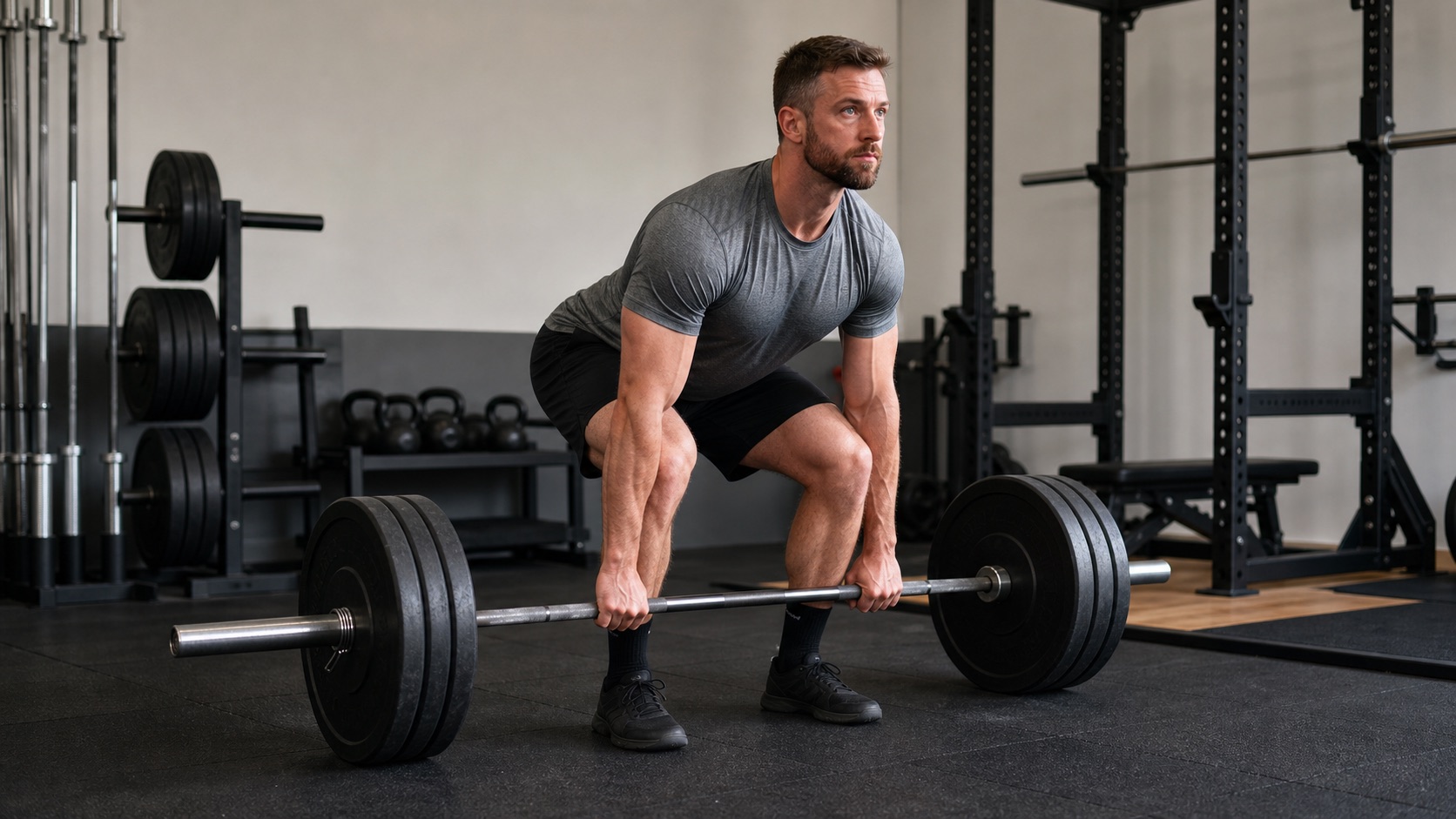
Lifter performing a heavy barbell deadlift in a gym

Short answer

A 5x5 workout is a barbell strength program where most main lifts are trained for five sets of five reps, usually across two alternating workouts three days per week. It is simple, effective, and demanding. Start light, add weight only after clean sets, and move to a more flexible plan once repeated stalls show that straight linear progression has run its course.

Goal

Build strength and size

Level

Beginner

Schedule

3 days/week

Length

Run while clean progress continues

Equipment

Barbell, rack, bench

Five sets of five is easy to understand: repeat the same load for five work sets, rest between them, and increase it when you can complete the work. The difficulty is managing that work as the weights get heavier.

This page uses the A/B structure described in the StrongLifts workout guide. “5x5” also describes other routines; it is not one universal program or proof that five sets are best for everyone.

The workouts

Workout A Working sets x reps
Back squat 5 x 5
Bench press 5 x 5
Barbell row 5 x 5
Workout B Working sets x reps
Back squat 5 x 5
Overhead press 5 x 5
Conventional deadlift 1 x 5

Deadlifts are one working set, not five. Lighter warm-ups come first and do not count toward the work-set target. This limits additional work at the end of Workout B; it does not establish that deadlifts are inherently more fatiguing than every other lift.

Weekly schedule

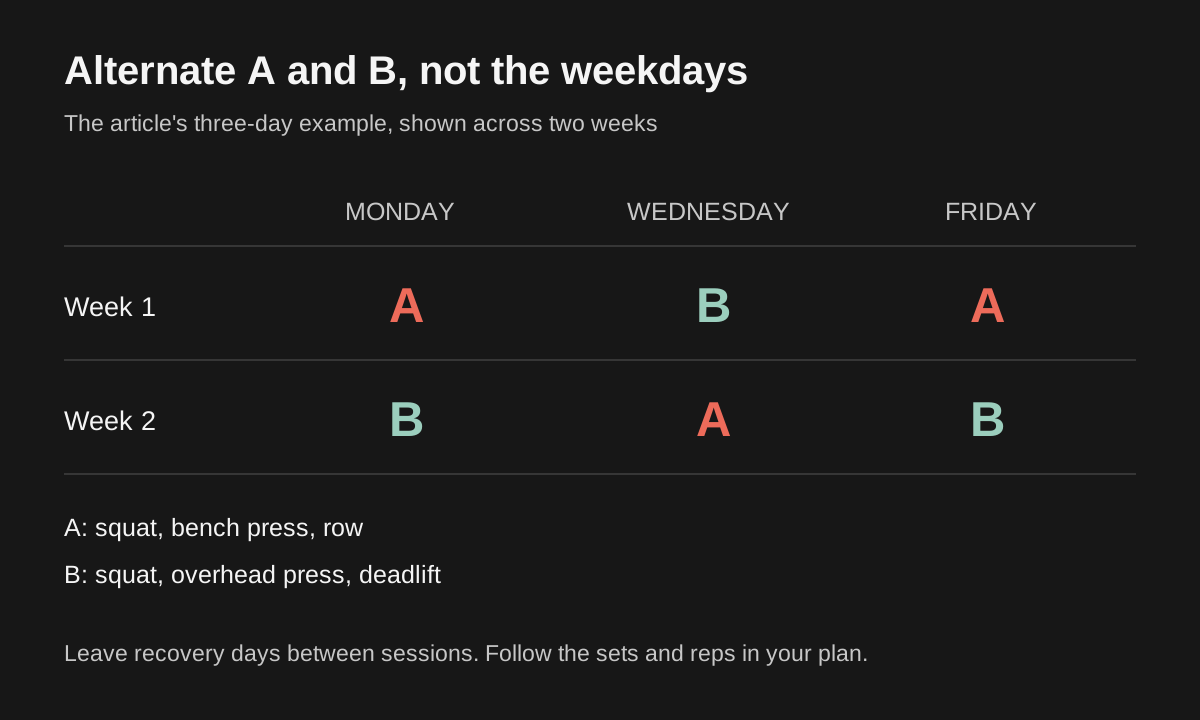
Week Monday Wednesday Friday
Week 1 A B A
Week 2 B A B

Keep at least a day between sessions. Resume the rotation after a missed session instead of doubling up.

Squats appear every session. The other lifts each appear three times across two weeks. In B/A/B weeks there is only one chest-pressing session, so this is not a twice-every-week template for every muscle.

Should beginners do 5x5?

New lifters can use 5x5, but five working sets are not a prerequisite for getting stronger. If the movements are unfamiliar or the sessions feel excessive, this is a usable lower-set entry option:

Lift Initial working sets x reps
Squat 2 x 5
Bench press 2 x 5
Row 2 x 5
Overhead press 2 x 5
Deadlift 1 x 5

This lower-set version is our adaptation, not a separate research-tested protocol. Keep the A/B schedule. Add one set to an exercise only after several manageable sessions, then assess recovery before adding another. You can stay with fewer sets as long as they serve your goals; there is no deadline to reach five.

Choose starting weights you can control

Use a load that leaves several possible reps beyond five, including on the final work set. If the first session turns into repeated grinding or missed targets, reduce it.

An empty bar is an option, not a minimum. Use a lighter bar or an alternative exercise if needed. For a floor deadlift, light full-diameter plates or a suitable raised setup can keep the starting height usable.

Learn the rack safeties before squatting or benching. A qualified trainer can help with unfamiliar techniques. Stop a painful exercise instead of trying to complete the prescription. Mayo Clinic’s technique guidance

Warm-ups and rest

Start with easy movement, then use progressively heavier, low-fatigue warm-up sets for each main lift.

An illustrative warm-up for an already-established 100 kg squat work weight:

Set Load Reps
Warm-up 1 Light bar 5-8
Warm-up 2 40 kg 5
Warm-up 3 60 kg 3
Warm-up 4 80 kg 1-2
Working sets 100 kg 5 x 5

This is an example, not a starting-weight target. Lighter work weights need fewer jumps.

Rest about 3 minutes between work sets, extending toward 5 minutes when needed. Begin the next set when breathing has settled and you can repeat the setup and target reps. Do not shorten rest just to beat the clock.

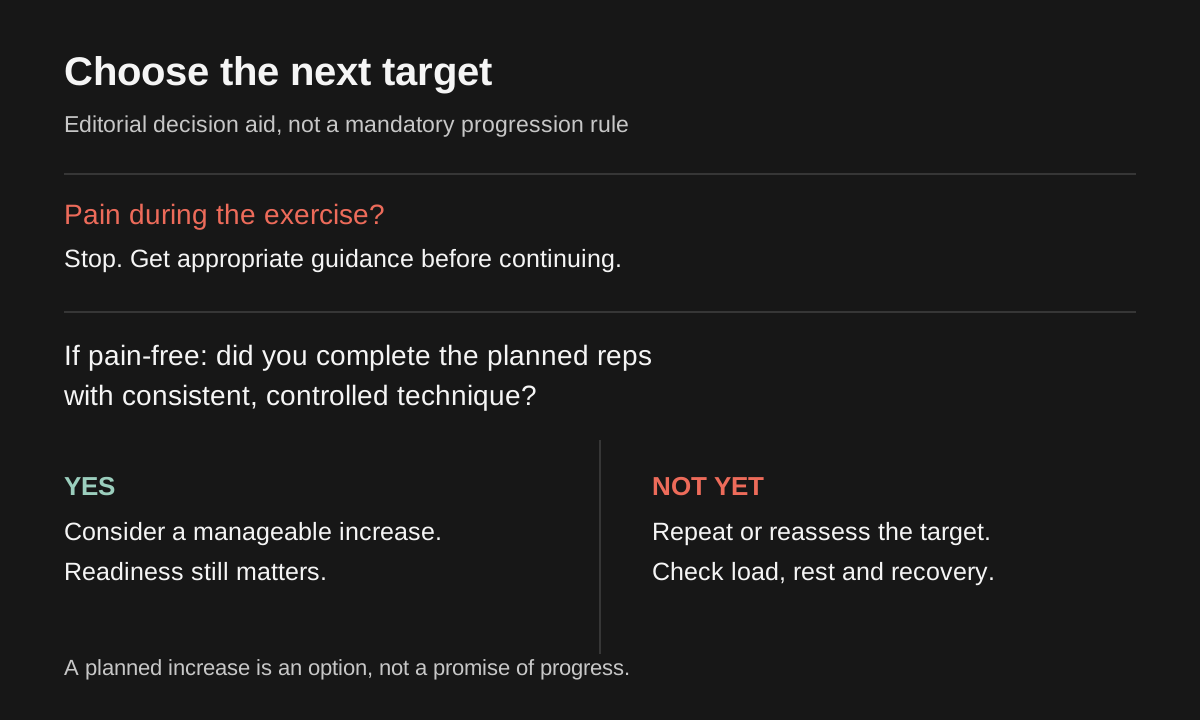
Add, repeat, or reset

Last result Next session
5, 5, 5, 5, 5 with consistent technique Try a small load increase
5, 5, 5, 5, 4 without pain Repeat the load
Several missed reps or marked technique breakdown Reduce the load enough to restore controlled reps
Deadlift 1 x 5 completed with control Apply the small-increase rule to its single work set
Same lift stalls repeatedly Review rest, increment size, and workload; consider a modest reset
Several lifts decline Check recovery and total training stress before adding more work

Choose the smallest manageable increase. A total-bar increase of 2.5 kg or 5 lb is one option in different plate systems, not an exact conversion. Presses may need smaller plates. Log total bar weight, not the weight added on each side.

Repeated stalls do not automatically mean you need more sets. For example, reducing a stalled squat from five work sets to three may make more sense than adding accessories. That adjustment changes the template, which is fine if it makes training more productive.

A load reset and a deload week are related but different: a reset lowers the weight for rebuilding; a deload temporarily lowers overall training stress. Neither has to follow a fixed calendar. Persistent or worsening pain needs assessment, not repeated attempts to train through it.

Substitutions change the prescription

Dumbbell presses, machine presses, supported rows, and trap-bar deadlifts can be useful alternatives, but they are not identical lifts. Choose a fresh load and learn the new setup.

For dumbbells or machines, 2-3 sets of 8-12 may be more practical than five heavy sets of five. Build reps through that range before increasing resistance. Keep a separate progression record for the substitute.

A push press adds leg drive; a rack pull changes the range of motion; a weighted dip is not simply another bench press. Do not swap these in while assuming the old load and rep targets still apply.

When to change the plan

Keep this routine while you enjoy it, recover between sessions, and make useful progress. Change it when repeated stalls survive sensible adjustments, session length becomes impractical, or your priorities change.

A four-day upper/lower split can spread work over more days. A lower-set beginner routine can reduce the workload. Neither is automatically better or a mandatory next stage.

What to record

A notebook or logger can make the next decision easier. Record the workout letter, lift, total load, actual reps, and a short effort or technique note. Logging helps you see patterns; it is not a biological requirement for getting stronger.
Evidence map

Research context and editorial choices

Broad training evidence does not establish every detail of a workout plan. The specific programming choices below remain editorial guidance unless the article links a source for that exact point.

Schedule and training frequency

The weekly layout is an editorial example. Mayo Clinic advises avoiding training the same muscles on consecutive days; that guidance does not validate this entire program or its suitability for an individual.

  • Mayo Clinic: weight training technique(mayoclinic.org/healthy-lifestyle/fitness/in-depth/weight-training/art-20045842) - Practical guidance on starting gradually, technique, warm-ups, and stopping painful exercise.

Sets, reps, rest, and workout order

The specific exercises, order, sets, reps, and rest ranges are editorial examples, not a protocol validated by the cited studies.

    Progression, stalls, and deloads

    Load jumps, repeated-weight decisions, resets, and deload percentages should be treated as starting rules rather than universal standards.

      Substitutions, safety, and recovery

      Exercise swaps, pain caveats, and recovery checks are coaching guidance; use individual coaching or clinical help for injury-specific decisions.

      • Mayo Clinic: weight training technique(mayoclinic.org/healthy-lifestyle/fitness/in-depth/weight-training/art-20045842) - Practical guidance on starting gradually, technique, warm-ups, and stopping painful exercise.

      Who this is for

      Use this section to sanity-check whether the program matches your training age, schedule, equipment, and recovery. A good program is not just a list of exercises; it is a repeatable week you can run long enough for progression to matter.

      A good fit if

      • Lifters who have the basic movements down and want more volume than a lower-set beginner plan
      • People focused on the big barbell lifts and steady strength gains
      • Anyone who wants a simple plan where the next workout is obvious

      Maybe not if

      • Complete beginners who still need more practice with squat, bench, press, row, and deadlift technique
      • Lifters whose goals or current progression call for a more individualized workload than this fixed A/B example
      • Anyone with current pain or injury that makes heavy barbell work inappropriate

      The weekly schedule

      5x5 Workout Program3 days/week · Run while clean progress continues
      MondayWorkout ASquat, bench press, barbell row
      WednesdayWorkout BSquat, overhead press, deadlift
      FridayWorkout AAlternate A and B each session

      The workouts

      Sets and reps for each training day. Treat these as Handler editorial programming examples, not as universal standards or a study-tested protocol. Adjust loads, rest times, and substitutions to recovery, technique, equipment, and coaching context. Stop an exercise that causes pain.

      Workout A

      ExerciseSets × repsRest
      Barbell back squat5 × 53-5 min
      Barbell bench press5 × 53-5 min
      Barbell row5 × 53-5 min

      Workout B

      ExerciseSets × repsRest
      Barbell back squat5 × 53-5 min
      Overhead press5 × 53-5 min
      Conventional deadliftOne working set after warm-ups; this template does not prescribe five deadlift work sets.1 × 53-5 min after last warm-up
      Two-week A B A then B A B schedule for this three-day barbell template
      Alternate the main-lift groups across weeks. The table below specifies five sets for most lifts but only one deadlift working set.
      Editorial guide for considering a load increase or reassessing after controlled working sets
      Progression depends on the completed work and readiness; an increase is not mandatory.

      How to progress

      1. R–01

        Start lighter than your ego wants. A useful first workout should feel controlled, not like a max test.

      2. R–02

        After controlled completed sets, use the smallest manageable increase. A 2.5 kg or 5 lb total-bar jump is one option, not an exact conversion or a requirement; presses may need less.

      3. R–03

        For deadlifts, use one heavy set of 5 and progress cautiously once the weights become challenging.

      4. R–04

        After a single missed rep without pain or marked technique breakdown, consider repeating the load. Several missed reps or deteriorating technique call for reassessment and a lighter load; stop an exercise that causes pain. Repeated stalls may call for a modest reset.

      5. R–05

        If repeated stalls continue after load and recovery adjustments, change the workload or progression; a different split alone may not solve the problem.

      Exercise substitutions

      These are alternatives to assess when equipment or a movement does not suit you, not identical replacements. Adjust the load and prescription to the new exercise.

      Barbell back squat

      Front squatHack squatLeg press

      Barbell bench press

      Dumbbell bench pressMachine chest press

      Barbell row

      Pendlay rowT-bar rowChest-supported row

      Overhead press

      Seated dumbbell pressMachine shoulder press

      Conventional deadlift

      Trap bar deadliftDumbbell Romanian deadlift

      Common mistakes

      • Starting too heavy so you stall in week two instead of building momentum.
      • Automatically adding weight after a missed target instead of checking technique, workload, and recovery.
      • Rounding the back on the squat or deadlift as fatigue from five sets builds.
      • Cutting rest short. Heavy 5x5 work often needs longer rests than light accessory work.
      • Adding extra accessory volume that wrecks recovery and stalls the main lifts.

      How to track this program

      Recording working sets helps you follow the progression rules and compare sessions. Log what you actually lift, then compare week to week so you know when to add weight, add reps, or hold steady.

      You can run this with a notebook or any logger. Handler is the product we are building around this style of logged progression; until the public product pages change, use the program rules here as the source of truth.

      Quick answers and evidence

      The short version before the full source list

      This recap keeps the practical recommendation, the most common reader questions, and the source basis in one place. Use the full article above for details and the source list below for freshness notes.

      Program takeaway

      A 5x5 workout is a barbell strength program where most main lifts are trained for five sets of five reps, usually across two alternating workouts three days per week. It is simple, effective, and demanding. Start light, add weight only after clean sets, and move to a more flexible plan once repeated stalls show that straight linear progression has run its course.

      • GoalBuild strength and size
      • LevelBeginner
      • Schedule3 days/week
      • LengthRun while clean progress continues

      Source basis

      Common questions

      Is 5x5 good for building muscle or just strength?

      This is a strength-focused practice template, not a guarantee of strength or muscle gain. The cited sources do not establish that this exact routine provides sufficient hypertrophy volume for every lifter or muscle group. Assess workload and recovery against your goals.

      How is 5x5 different from a lower-volume beginner program?

      Five sets per lift means more work than two or three sets at the same load and reps. A lower-volume version is an editorial option when five sets do not suit your technique, available time, or recovery; the references here do not establish that one version is best for all beginners.

      How long can I run a 5x5 program?

      Our editorial recommendation is to assess progress and recovery rather than use a fixed calendar deadline. Repeated stalls warrant reviewing workload, technique and recovery, not automatically switching programs.

      Do I deadlift 5x5 too?

      Not in this template. Deadlifts use one working set of 5 after warm-ups, matching the StrongLifts A/B structure. That limits work after squats and presses; it is not a rule that all deadlift programs must use one set.

      Sources and freshness

      The workout structure is a StrongLifts-style example from its first-party guide, not an independently tested Handler program. The lower-set entry option, substitutions, and reset decisions are editorial adaptations.

      Sources

      1. 01StrongLifts: 5x5 workout program (First-party description of the A/B routine, deadlift 1x5, and completed-set progression; not independent evidence of superiority.)stronglifts.com/stronglifts-5x5/workout-program/
      2. 02Mayo Clinic: weight training technique (Practical guidance on starting gradually, technique, warm-ups, and stopping painful exercise.)mayoclinic.org/healthy-lifestyle/fitness/in-depth/weight-training/art-20045842

      Frequently asked questions

      Is 5x5 good for building muscle or just strength?
      This is a strength-focused practice template, not a guarantee of strength or muscle gain. The cited sources do not establish that this exact routine provides sufficient hypertrophy volume for every lifter or muscle group. Assess workload and recovery against your goals.
      How is 5x5 different from a lower-volume beginner program?
      Five sets per lift means more work than two or three sets at the same load and reps. A lower-volume version is an editorial option when five sets do not suit your technique, available time, or recovery; the references here do not establish that one version is best for all beginners.
      How long can I run a 5x5 program?
      Our editorial recommendation is to assess progress and recovery rather than use a fixed calendar deadline. Repeated stalls warrant reviewing workload, technique and recovery, not automatically switching programs.
      Do I deadlift 5x5 too?
      Not in this template. Deadlifts use one working set of 5 after warm-ups, matching the StrongLifts A/B structure. That limits work after squats and presses; it is not a rule that all deadlift programs must use one set.
      What should I do if I am brand new?
      One practical option is 2 sets of 5 for squat, bench, row, and overhead press, plus 1 set of 5 for deadlift. Keep loads manageable. Add sets only if you want more work and recover well; reaching 5x5 is not mandatory.

      Invited TestFlight beta · iPhone-first

      Use the tools that support the plan.

      Estimate starting weights, check the main lifts, and keep the progression rules visible while you run the program.

      Related programs, guides, and tools